REVIEW · PHOENIX
Four Peaks Off-Road Adventure Tour
Book on Viator →Operated by Arizona Off-Road Adventures · Bookable on Viator
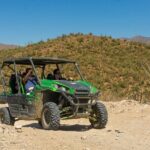
Sand, cactus, then a big summit view. This Four Peaks Off-Road Adventure Tour is a short, punchy day in the Tonto National Forest that mixes desert roads, canyon twists, and a cooler top-of-the-world stop with big valley views.
What I really like is how the experience is set up for real people: a safety talk first, then a small-group ride (up to 18) that still feels like true wilderness country once you’re moving. I also like the built-in lunch stop halfway up, where you get time to eat, take photos, and just breathe a different kind of air than the valley.
The main thing to consider is weather. This tour requires good weather, and if conditions are poor you may need to switch dates or get a refund, plus the roads are uneven and sandy in places.
In This Review
- Key Things to Know Before You Go
- Why Four Peaks Feels Like Real Wilderness
- Getting Started in Mesa: Meeting Point and First Safety Check
- Bulldog Canyon and the Salt River Exit: The Most Physical Part
- Saguaro Lake and Pobrecito: Quick Scenery, Useful Bathroom Break
- The Four Peaks Wilderness Climb: Fire Roads, Boulders, and Plant Changes
- Lunch Halfway Up: Time to Eat, Look Around, and Get Photos
- High-Elevation Terrain: Giant Cactus to Boulders as You Gain Elevation
- Summit Stop Over Roosevelt Lake: Cool Air and the Big View
- The Return Trip: Flexible Timing for Photos and Exploring
- Timing, Weather, and When You Might Need a Plan B
- Who Should Book This Off-Road Day (and Who Might Want a Gentler Option)
- Price and Value: What You’re Actually Getting
- Should You Book the Four Peaks Off-Road Adventure Tour?
- FAQ
- How long is the Four Peaks Off-Road Adventure Tour?
- Where do we meet for the tour?
- What language is the tour offered in?
- Is lunch included, and when do we stop to eat?
- Are there any bathroom stops during the tour?
- What happens if weather is bad?
Key Things to Know Before You Go
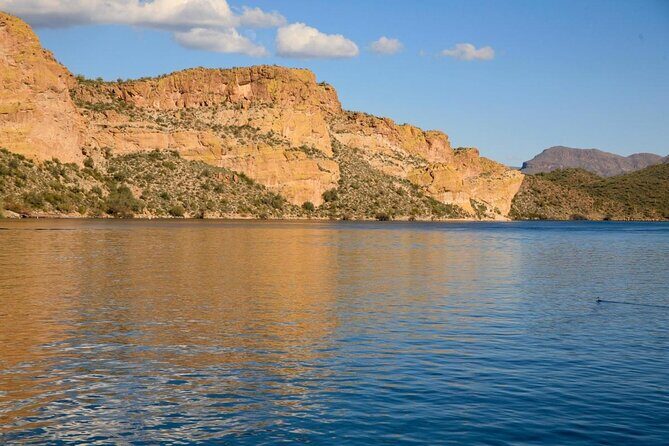
- Small group size (max 18) keeps the ride from feeling chaotic.
- A safety talk at the start helps you feel confident before the first off-road stretch.
- Sand and dirt roads are part of the fun, especially early on through Bulldog Canyon.
- Lunch at the halfway point gives you a natural break plus great photo timing.
- Bathroom access is available at the Pobrecito area stop.
- High-elevation temps can feel cooler once you’re near the summit.
Why Four Peaks Feels Like Real Wilderness
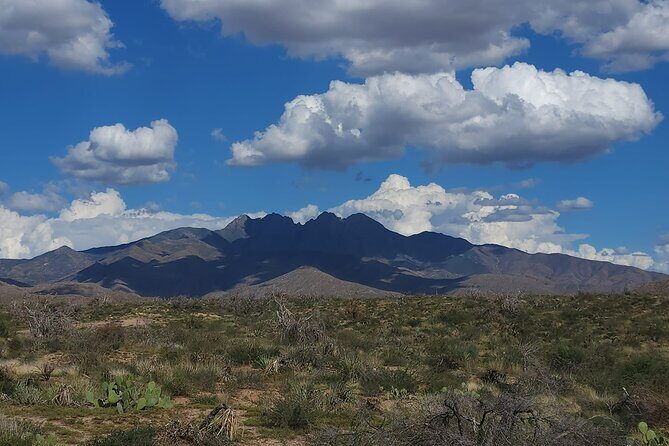
Four Peaks doesn’t try to be a theme park. You spend most of the time on fire access and off-road routes, climbing into the Four Peaks Wilderness while the scenery shifts from cactus country toward cooler, higher ground.
Two guide-led details stood out in the kind of experiences people describe. First, the driving is often described as decisive and safety-focused, with guides like Ryan setting a steady pace and clear expectations. Second, Andy’s style is described as friendly and grounded in local knowledge, with time spent pointing out plants and the way the terrain changes as you gain elevation.
If you want a quiet, nature-only day, this fits. If you want constant lectures, it might not—one rider wished for more area history every time the group paused. Still, the trade-off is you get plenty of actual time outside at the viewpoints and summit.
Other ATV and UTV desert tours in Phoenix
Getting Started in Mesa: Meeting Point and First Safety Check
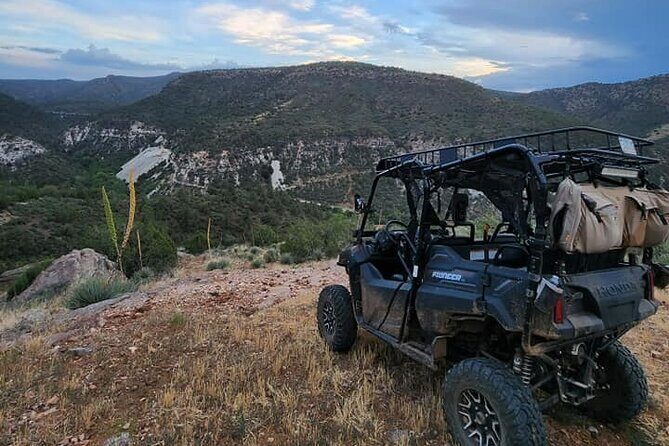
You meet at 1707 N 93rd St, Mesa, AZ 85207, and the tour starts at 10:00 am. It runs about 5 to 6 hours, and it ends back at the meeting point.
Before you roll, you’ll do a short meet-and-greet and a small safety talk. That’s not just a formality. On an off-road day, you want clear instructions early—where to place yourself in the vehicle, how to handle bumpy sections, and what to do during photo stops.
This tour is offered in English, and it uses a mobile ticket. It’s also noted as near public transportation, which is a relief if you don’t want to rely on a car.
Bulldog Canyon and the Salt River Exit: The Most Physical Part
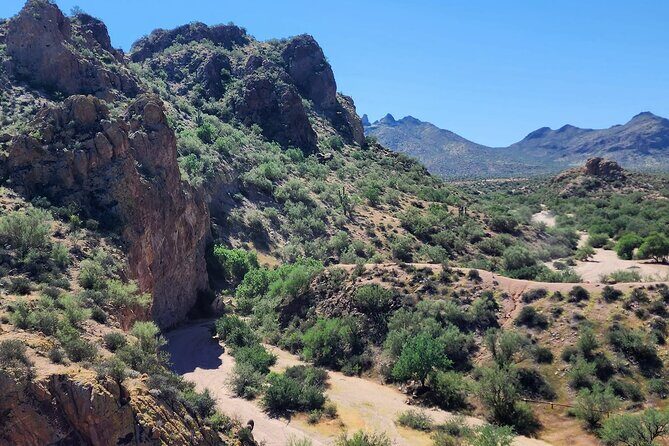
Your first “real” off-road stretch begins after a short drive from the meeting area to the access point. The route then heads into Bulldog Canyon off Ellsworth, onto forest road 3554.
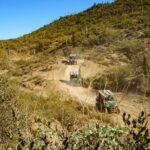
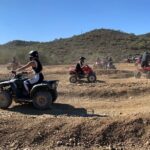
This is the part you should mentally prepare for: the road is mostly sand, and the area can feel like you’re driving through a rugged, video-game-style terrain. The ride segment through this area takes about 20 to 30 minutes.
Then you exit Bulldog Canyon by the Salt River. That Salt River connection matters because it’s a natural signpost that you’re not just riding in place—you’re moving through real geography, not just doing circles.
Practical tip: if you’re sensitive to bumps, plan to go easy with your body during the sandy sections. Wear shoes with solid grip and keep your essentials secure so you’re not scrambling at stops.
Saguaro Lake and Pobrecito: Quick Scenery, Useful Bathroom Break
After that first off-road push, you drive a short distance to the next access point. Along the way, you’ll pass Saguaro Lake and enter through the Pobrecito access point.
This segment takes about 15 minutes, and it’s also where the tour gives you something genuinely helpful: at the Pobrecito area, there is a public bathroom you can use.
Even if you don’t need it right now, I like having a known bathroom stop during a half-day adventure. It reduces stress later when you’re higher up and time matters more.
The Four Peaks Wilderness Climb: Fire Roads, Boulders, and Plant Changes
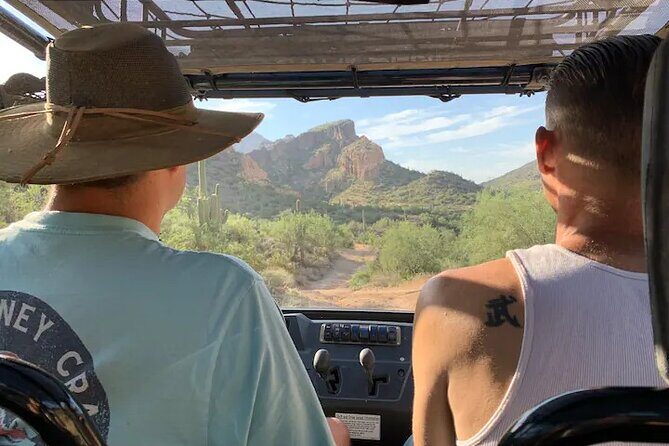
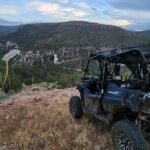
The middle of the tour is where it earns its name. From the access points, the remainder of the ride moves through the Four Peaks Wilderness on fire access roads, heading toward the top of the Four Peaks Mountains.
This climb portion is about 60 minutes. During this time, you’ll keep gaining elevation, and the scenery should start to change in front of you. In one memorable account led by Andy, people described a shift from desert-like terrain up toward more pine-leaning, cooler areas near the peak.
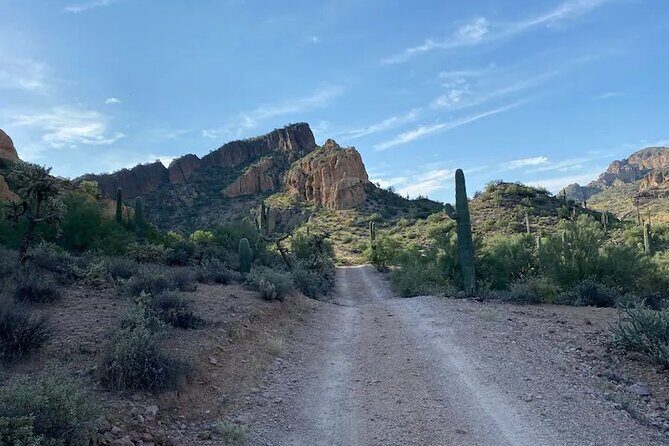
You should also expect variety in what you see as you rise. The route includes sections with huge boulders, giant cactus, and unique plants and trees—and the visual “level-up” is part of the point of pushing higher rather than just staying in the lower desert.
One more real-world note from accounts: weather can change quickly. One rider described encountering rain during the journey. That’s not a guarantee, but it’s a good reminder that you should be ready for cooler air and changing conditions once you’re in elevation country.

Lunch Halfway Up: Time to Eat, Look Around, and Get Photos
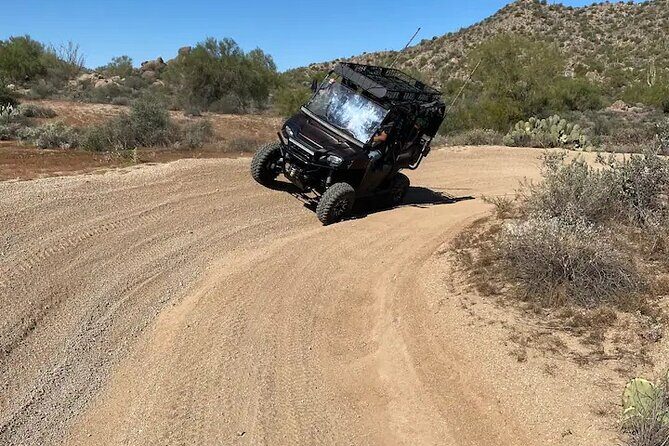
You’ll have a designated lunch stop about halfway to the summit. The group pauses at a picturesque location for around 45 minutes.
This stop is built for more than eating. You get time to:
- enjoy lunch,
- explore the immediate area,
- and take scenic pictures.
Lunch is described as provided, and one review mentions a choice of beverages, which is a nice touch on a day when you’re out in the sun and moving for hours.
Why this stop matters: it breaks the day into two halves—climb to a viewpoint for fuel, then the final push to the summit. It’s also often when the air feels different, and you can start noticing the cooler conditions that come with the higher elevation.
Tip: bring sunscreen and sunglasses even if you think it’s “cool up there.” High-elevation light can still be strong, and you’ll want to be comfortable during photo pauses.
High-Elevation Terrain: Giant Cactus to Boulders as You Gain Elevation
After lunch, the tour continues through the wilderness areas with the big visual contrasts.
This portion takes about 30 minutes, and it’s described as a place where the terrain becomes more dramatic—giant cactus, big boulders, and plant life that changes as you rise.
This is also a good segment to pay attention to your surroundings. Even without a formal “classroom” feel, you’ll see how Arizona vegetation responds to altitude and exposure. The best off-road guides don’t just drive; they point out what you’re already standing next to.
One thing I’d keep in mind: the summit approach is where time can feel tighter, because you’ll want to save energy and attention for the actual top-view experience.
Summit Stop Over Roosevelt Lake: Cool Air and the Big View
Your final major stop is at the summit of Four Peaks Mountains. This is where the mood changes.
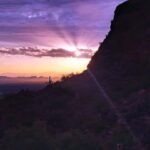
The summit is described as much cooler than the valley, and you’ll have a chance to see Roosevelt Lake plus a view over the entire valley. The time on top is about 30 minutes.
During this summit window, you can:
- take photos,
- hike around,
- explore the area.
You may also spot unique rocks, plants, and maybe even animals—though the exact sightings depend on the day.
Why this stop is the payoff: the whole tour makes sense once you’re standing higher up with an actual wide-angle sense of where everything is below you. It’s the kind of view that makes the sandy, bumpy roads feel worth it.
Photo strategy: take a few minutes to orient first—then go for your best shots. When you’re higher up, the light and wind can shift quickly.
The Return Trip: Flexible Timing for Photos and Exploring
After the summit, you head back toward the meeting point. The return is described as taking about 3 hours, and the exact timing can depend on what you want to do during photo breaks and how much you explore.
So even though the whole tour is 5 to 6 hours, the “feel” of it can vary day to day. If you’re the type who takes lots of pictures, build in patience and assume the return may stretch.
If you prefer a more straightforward pace, you can keep your stops short—just be clear with your comfort level during the pauses.
Timing, Weather, and When You Might Need a Plan B
This experience requires good weather. That’s not just about comfort; off-road routes and higher elevation conditions can change fast.
If the tour is canceled due to poor weather, you’ll be offered a different date or a full refund. That’s exactly what you want for an outdoor adventure where conditions matter.
Also, lightning and fire risk are real in this region. One rider noted how lightning can lead to fires, and that comment lands because it explains why the operator needs to watch conditions closely. Translation: be flexible, and don’t treat this like a guarantee of getting to the summit every single day.
Who Should Book This Off-Road Day (and Who Might Want a Gentler Option)
This tour is a good fit if you want:
- a compact half-day adventure (not a full multi-day trip),
- time in real wilderness terrain,
- and summit-level views that you can’t get by walking from a paved trailhead.
It’s also a nice size for comfort: up to 18 people, and a start that includes a safety talk so most people can participate.
You might want a different kind of activity if you:
- have trouble with uneven, sandy roads,
- dislike cooler temperatures at higher elevation,
- or need a very scripted, history-heavy experience. The day is built around driving, viewpoints, and the summit—not a long lecture.
Price and Value: What You’re Actually Getting
There’s no price shown here, so I’ll talk value instead.
To me, the value is in three things:
- Time on the route: you don’t just drive past viewpoints; you spend real time on off-road terrain, including the Four Peaks Wilderness climb.
- Stops that make sense: bathroom access at Pobrecito, lunch at the halfway point, then the summit where Roosevelt Lake and the valley open up.
- Small-group feel: max 18 people usually means more attention during pauses and less rushing.
Add in the fact that a guide’s style matters. Accounts mention drivers like Ryan who emphasize safe, steady driving, and Andy who combines friendly energy with local pointers on plants, terrain, and what you’re seeing.
If that mix matches what you want—good views, real off-road, and time outdoors—it’s the kind of day that sticks.
Should You Book the Four Peaks Off-Road Adventure Tour?
Yes, if you want a half-day that feels like you’re actually getting into the region rather than just looking at it from afar. The combination of sand canyon driving, a lunch break halfway up, and a summit stop with Roosevelt Lake and valley views is a strong recipe.
I’d book it especially if you’re okay with:
- bumpy roads,
- changing weather,
- and taking your time with photos during the climb and return.
Skip it (or choose a gentler alternative) if you’re not comfortable with uneven terrain or you’re looking for a long, history-focused tour. For most people who want an authentic Arizona wilderness day, this one is hard to beat.
FAQ
How long is the Four Peaks Off-Road Adventure Tour?
It runs about 5 to 6 hours, starting at 10:00 am and ending back at the meeting point.
Where do we meet for the tour?
Meet at 1707 N 93rd St, Mesa, AZ 85207.
What language is the tour offered in?
The tour is offered in English.
Is lunch included, and when do we stop to eat?
Lunch is included at the halfway point, with about 45 minutes at the lunch location.
Are there any bathroom stops during the tour?
Yes. There is a public bathroom at the Pobrecito area stop.
What happens if weather is bad?
The tour requires good weather. If it’s canceled due to poor weather, you’ll be offered a different date or a full refund.