REVIEW · PHOENIX
Wupatki and Sunset Crater National Monuments from Phoenix – Private Tour
Book on Viator →Operated by Historic Arizona Tours · Bookable on Viator
Volcanoes and pueblos in one long day. That combo is why this private outing from Phoenix works so well: you trade city heat for high-desert air, then spend hours with ancient sites and end in Flagstaff with hands-on museum time. I like the Wupatki stop for its scale and the way the ruins sit in big open red-rock country, and I like Sunset Crater for the easy 1-mile loop plus the stories behind how this volcano became a protected place. One thing to plan for: it’s a full day that starts early (7:00 am), and the outdoor walking can be rough in places.
You’ll get a small group (up to 6) and a guide who brings context to what you’re seeing, including details like Sinagua building materials at Wupatki and the Hollywood-era controversy at Sunset Crater. If your guide is Todd (he’s led this route), you can expect a relaxed pace with plenty of photo stops and time to linger where you want. Just remember this is outdoors and exposed—so if you have balance concerns, you’ll want to move slowly and be ready to pause or view from more level areas when needed.
In This Review
- Key points worth knowing before you go
- From Phoenix to the cool high desert by 7:00 am
- Wupatki National Monument: Tall House, Moenkopi stone, and a ball court
- What to watch for at Wupatki
- Sunset Crater Volcano National Monument and the Hollywood explosives story
- How to use the 1-mile loop well
- Flagstaff’s Museum of Northern Arizona: where the day clicks into place
- How to make the most of your museum time
- How long is the day, and what the pace feels like
- Accessibility and terrain reality check
- Price and value: what $300 buys you
- What to bring for comfort and better photos
- Weather matters: how a day like this can change
- Should you book this Phoenix-to-Flagstaff private day trip?
- FAQ
- How early does the tour start?
- How long is the Phoenix tour?
- Is pickup offered?
- How many people are in the group?
- Do I need to bring printed tickets?
- Are admission tickets included?
- Is there a hiking trail at Sunset Crater?
- What are the key features of Wupatki?
- What can I see at the Museum of Northern Arizona?
- What happens if the weather is poor?
- Can I cancel for free?
Key points worth knowing before you go
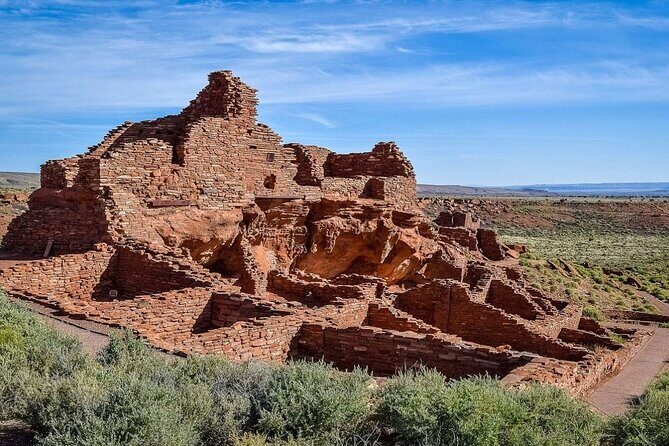
- Wupatki’s Tall House scale: a multistory Sinagua pueblo with over 100 rooms plus a community room.
- A rare ball court: the northernmost ball court found in North America is part of the Wupatki story.
- A quick, scenic Sunset Crater loop: 1 mile at the base, self-guided, with restrictions on summit hiking.
- A real-world policy turning point: public pushback helped protect Sunset Crater after a planned explosives stunt.
- Flagstaff’s Museum of Northern Arizona adds closure: rotating exhibits on northern Arizona natural and cultural heritage.
From Phoenix to the cool high desert by 7:00 am
This tour is built around the simple idea of beating the worst of Phoenix heat. You start at 7:00 am, which means you’re out the door before the day gets thick. By the time you’re rolling north toward Wupatki and then on to Sunset Crater, the air tends to feel more comfortable than what you’d experience staying in town.
The drive is also part of the experience. You’re traveling through northern Arizona’s high desert country where the ancient sites make more sense—because they’re tied to the terrain, not just placed there for tourists. If you like seeing how an area “reads” in the real world, this route does that for you.
The group size matters here. With a max of 6 travelers, you’re less likely to feel like you’re being herded. You can ask questions, stop for photos, and adjust your pace as the day moves on.
Other day trips from Phoenix in Phoenix
Wupatki National Monument: Tall House, Moenkopi stone, and a ball court
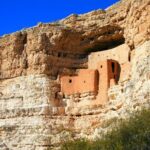
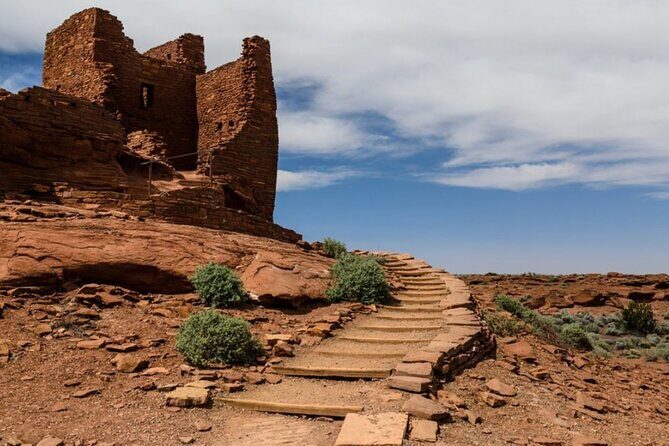
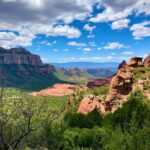
Wupatki National Monument is the kind of place that rewards slow looking. The main draw is a multistory Sinagua pueblo dwelling with more than 100 rooms and a community room. The setting is broad and open, with ancient pueblo structures dotted across the red-rock outcroppings for miles—so you don’t just see ruins, you see how a community sat within the land.
Wupatki even carries a language connection. The name comes from Hopi for Tall House, which is a fitting reminder that these weren’t small seasonal shelters. The dwellings were built with thin, flat blocks of local Moenkopi sandstone. That construction choice is one reason the ruins keep that strong red look—stone, color, and place all tied together.
One highlight that tends to stick with people is the ball court. Wupatki includes the northernmost ball court discovered in North America, which gives you a tangible way to connect the daily life of the people there to wider regional traditions. It’s not just “fun facts,” either. When you can point to a physical place used for community activity, it helps the site feel real rather than abstract.
What to watch for at Wupatki
You’ll be outside for your time here, and ruin viewing can involve uneven ground. One practical tip: go as far as you feel steady and comfortable. If walking gets tricky, it’s better to pause and take in what you can than to rush and trip. You’ll still come away with a strong sense of the complex and its layout.
Sunset Crater Volcano National Monument and the Hollywood explosives story
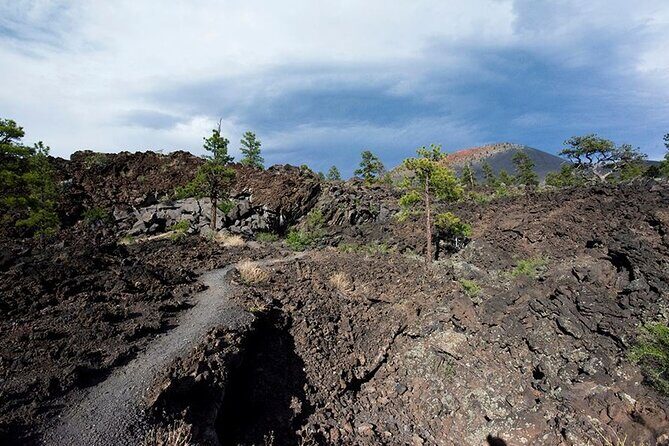
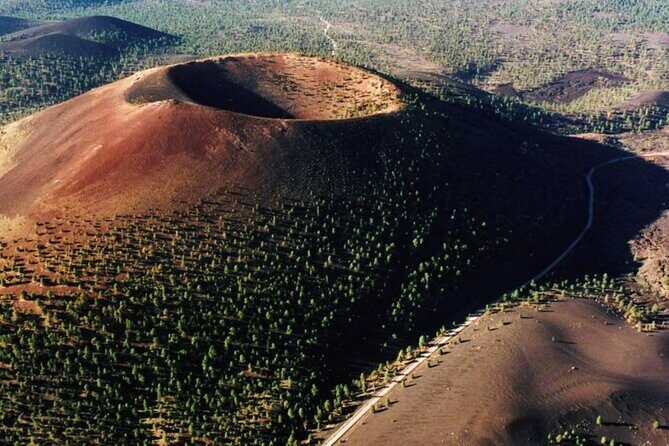
Sunset Crater Volcano National Monument is short on hiking rules and long on atmosphere. The main visitor experience is a 1-mile loop trail around the base of the cinder cone. It’s self-guided, which means you’re free to go at your own pace rather than sticking to someone else’s timing.
Just as important: hiking to the summit isn’t permitted. That changes how you plan your time. You can focus on the loop, read the ground-level volcanic features, and enjoy the way ponderosa pines frame the scene. If you’re traveling from Phoenix, this is also one of those spots where the temperature difference feels obvious—cooler air and a change in surroundings make the whole day feel like a real escape.
Now for the story that gives the monument a twist. In 1928, a Hollywood film company (Famous Players-Lasky Corporation) planned to detonate explosives on the side of Sunset Crater to create an avalanche effect for a motion picture called Avalanche. Public outcry helped drive action that, in part, led to President Herbert Hoover proclaiming Sunset Crater Volcano National Monument in 1930. So as you walk the loop, you’re also walking through a case study in how public pressure can shift what happens to a natural landmark.
How to use the 1-mile loop well
Because the trail is self-guided, you’ll get the most out of it by going slow enough to notice textures. Look at the cinder cone features at ground level, then look back toward the pines and the curve of the cone itself. It’s not a long walk, but it’s a smart one—short enough to fit into the day without exhausting you, with enough time to feel connected to the geology.
If you like photos, this is a good place to take breaks. The loop format makes it easy to turn your camera toward the ground, then switch to wider views without losing time.
Other private tours in Phoenix




Flagstaff’s Museum of Northern Arizona: where the day clicks into place
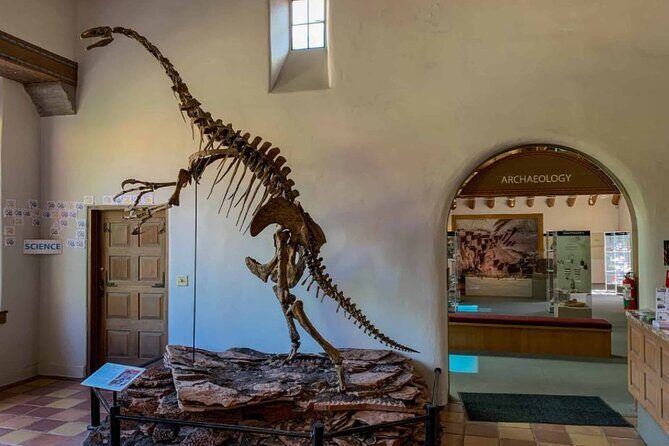
After your outdoor stops, the tour ends at the Museum of Northern Arizona in Flagstaff. This is more than a “sit down for a bit” stop. The museum is built to interpret northern Arizona’s natural and cultural heritage through research, collections, conservation, and education.
The museum opened in 1928, founded by Harold S. Colton and Mary-Russell Ferrell Colton. It also carries a museum credibility marker: it’s accredited by the American Alliance of Museums. In practice, that means you can expect well-organized exhibits and a serious approach to how the material is presented.
You’ll also get rotating exhibitions, so what you see may change depending on the current showings. If you want to prioritize specific themes, it’s smart to check their website before your visit so you don’t miss what you came to see. During the tour time window, you can usually pick what fits your interests—some people focus on natural history, others connect more with cultural interpretation.
How to make the most of your museum time
Forty-five minutes can be just right or a bit tight, depending on your pace. I suggest doing a quick scan first, then committing to one or two exhibit areas instead of trying to cover everything. That way you leave with a clear takeaway instead of museum fatigue.
How long is the day, and what the pace feels like
This is scheduled for about 9 to 10 hours, and it’s structured around three meaningful stops: Wupatki, Sunset Crater, and then the Museum of Northern Arizona in Flagstaff. The order matters because you start with ancient pueblo architecture, move to volcanic geology and a short trail loop, then finish with museum context that ties northern Arizona together.
A knowledgeable guide (and yes, Todd has led this route) helps by keeping the time useful. Instead of you wandering with vague questions, you get explanations at the right moment—when you’re looking directly at what’s being discussed. People often mention not feeling rushed, and with a small group that makes a difference. You’re not just “in and out,” you have a chance to slow down when something catches your eye.
Accessibility and terrain reality check
The day is doable for most travelers, but it’s still outdoor terrain. One traveler noted that it can be rugged for seniors with balance problems and recommended going as far as you can while keeping safe. That’s good advice. If you’re carrying balance concerns, consider wearing supportive shoes, using any viewing areas that feel level, and pacing yourself early—before fatigue shows up.
Price and value: what $300 buys you
At $300 per person, this isn’t a cheap add-on. But it isn’t just a “drive and drop” either. You’re paying for a private-style experience with pickup offered, a small group cap (up to 6), and a guide who provides context across multiple sites in one day.
Then there’s the practical value piece: admission tickets are included for Wupatki National Monument, Sunset Crater Volcano National Monument, and the Museum of Northern Arizona. That matters because it removes the mental math you’d otherwise do when building your own day from Phoenix.
Put simply, this route can be worth it when you want:
- Less planning stress and more time on-site
- A guide’s interpretation instead of a solo self-guided day
- One tight itinerary that still feels unhurried
What to bring for comfort and better photos
This is a high desert day, so dress for temperature swings—cooler north, warmer afternoons, and sun that still can surprise you. Wear shoes good for uneven ground and short trails, especially at Wupatki and along the Sunset Crater loop.
I’d also bring:
- A hat and sunscreen (even with cooler temperatures)
- Water (you’ll be outdoors most of the day)
- A camera or phone with enough storage (the red rock + cinder cone combo is photo-friendly)
- A light layer for morning air
For timing, remember you start at 7:00 am. If you’re the type who needs coffee first, plan accordingly before pickup.
Weather matters: how a day like this can change
The tour requires good weather. If conditions are poor and the experience is canceled due to weather, you’ll be offered a different date or a full refund. That’s an important detail for planning your Phoenix-to-northern-Arizona timeline, especially if your trip is tight.
If weather shifts quickly, don’t assume you can “just do it anyway” without checking your confirmation instructions. You’ll want to coordinate with the provider if conditions aren’t cooperating.
Should you book this Phoenix-to-Flagstaff private day trip?
Book it if you want a single, guided day that combines Wupatki’s pueblo scale, Sunset Crater’s easy loop and standout backstory, and then a museum finish in Flagstaff that helps your brain connect the dots. It’s especially appealing if you like history that feels grounded in place—ruins and geology you can physically stand near—rather than history you only read about later.
Skip it or plan more carefully if you have mobility limits or balance concerns. This is outdoors with uneven ground in places, and the day runs long (about 9 to 10 hours) starting at 7:00 am. In that case, go in with the right expectations: you can still enjoy it, but you should be ready to take your time and choose safer viewing spots.
FAQ
How early does the tour start?
The start time is 7:00 am.
How long is the Phoenix tour?
It runs about 9 to 10 hours.
Is pickup offered?
Yes, pickup is offered.
How many people are in the group?
The tour has a maximum of 6 travelers.
Do I need to bring printed tickets?
No. The tour uses a mobile ticket.
Are admission tickets included?
Yes. Admission tickets are included for Wupatki National Monument, Sunset Crater Volcano National Monument, and the Museum of Northern Arizona.
Is there a hiking trail at Sunset Crater?
Yes. There is a 1-mile self-guided loop around the base of Sunset Crater, but hiking to the summit is not permitted.
What are the key features of Wupatki?
Wupatki is a multistory Sinagua pueblo dwelling with over 100 rooms and a community room, built from Moenkopi sandstone. It also includes the northernmost ball court discovered in North America.
What can I see at the Museum of Northern Arizona?
You’ll have time to explore the museum’s varied exhibitions on northern Arizona’s natural and cultural heritage. It has rotating exhibits, and you can check the museum’s website for current showings.
What happens if the weather is poor?
This experience requires good weather. If it’s canceled due to poor weather, you’ll be offered a different date or a full refund.
Can I cancel for free?
Yes. You can cancel up to 24 hours in advance for a full refund, based on local time. If you cancel less than 24 hours before the start, it won’t be refunded.