REVIEW · PHOENIX
From Phoenix: Sonoran Desert Guided ATV Training
Book on GetYourGuide →Operated by Arizona Outdoor Fun · Bookable on GetYourGuide
ATV training in the Sonoran Desert hits fast. This 1-hour session mixes real coaching with a hands-on ride on a technical test course, surrounded by mountain views and open desert.
I love how they set you up with a clear safety briefing and then keep instruction personal as you ride. I also love that the fun stays connected to place: you’re not stuck in a parking-lot loop, you’re practicing in the Sonoran Desert with big, wide scenery.
The main drawback is simple: it’s a 1-hour training course, not a longer desert tour. If you want a full day of riding, you’ll likely want the longer 2-hour guided option instead.
In This Review
- Key Highlights Worth Your Time
- How This 1-Hour Course Really Feels on the Ground
- The Safety Briefing: Where You Build Real Off-Road Confidence
- Gear Rules That Matter More Than You Think
- The Sonoran Desert Test Course: Turns, Bumps, and Hill Control
- Personalized Coaching That Keeps You Learning Instead of Guessing
- Choosing Your ATV: What Changes (and What Doesn’t)
- Price and Value: Is $54 a Good Deal for ATV Training?
- Timing, Location, and the Practical Stuff You’ll Want to Know
- Who This ATV Training Fits Best (and Who Should Skip It)
- Should You Book This Sonoran Desert ATV Training?
- FAQ
- How long is the ATV training course?
- Where does the experience take place?
- Is the experience held rain or shine?
- How old do you have to be to drive?
- What do I need to bring?
- What gear is included?
- What’s not included?
- Is there an extra security or damage policy?
Key Highlights Worth Your Time
- Safety briefing first, speed second: You start with hands-on safety operations before you touch the technical course.
- Coaching for hills: You get practical tips for going up and down mountain-style terrain.
- Your own ATV for the session: You ride your chosen ATV during the training hour.
- Helmets and goggles included: You don’t need to hunt down gear.
- Desert scenery while you practice: Views of the surrounding mountains make the course feel like more than drills.
How This 1-Hour Course Really Feels on the Ground
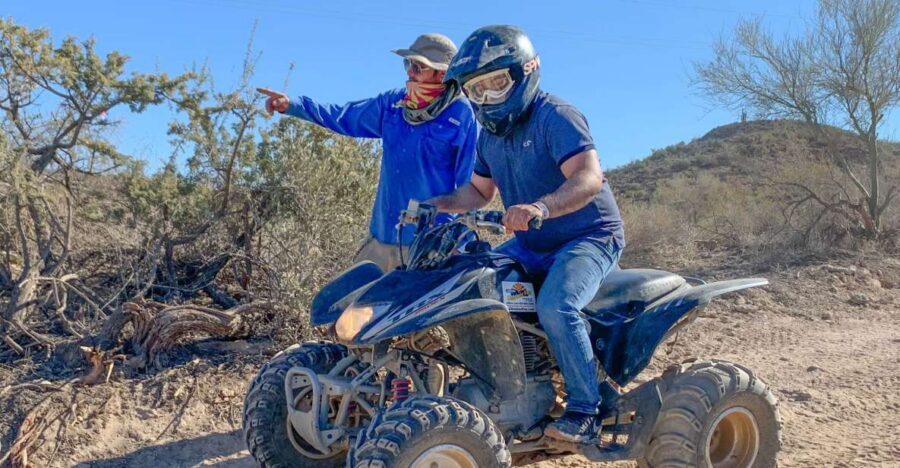
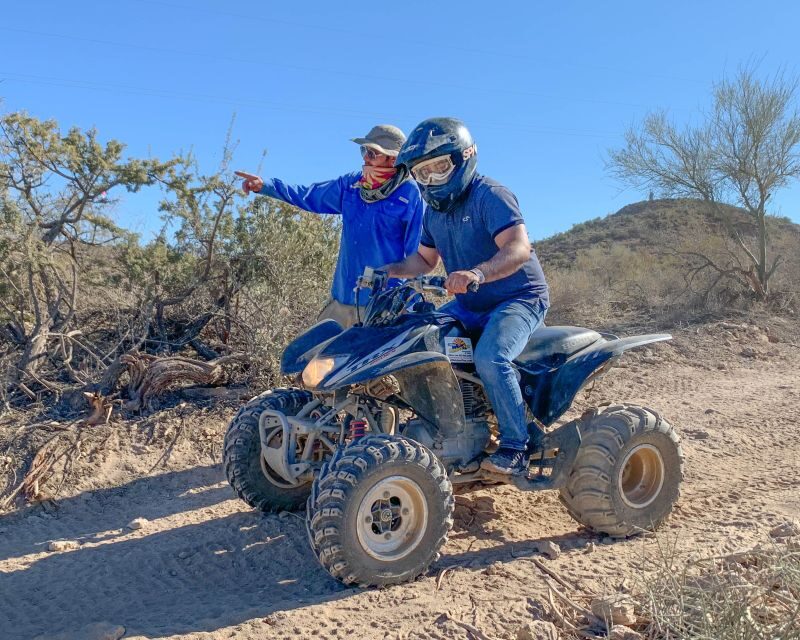
This is an ATV experience built around one idea: you learn by doing, with an instructor steering the process. The flow is straightforward. You begin with safety operations training, you get fitted for riding gear, and then you ride through a test course designed with turns, bumps, and hills.
Think of it as confidence-building with a timer. You’re not just paying for engine time; you’re paying for feedback while you’re learning control. That matters because off-road riding is less about how fast you can go and more about how smoothly you handle throttle, braking, and rough terrain.
It also helps that the session is designed to feel technical without being chaotic. The course is the teacher here, and the guide’s job is to help you manage the tricky parts—especially changes in grade going up and down.
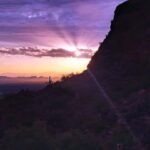
And yes, you get those Sonoran Desert views while you practice. Even in a training setting, seeing the mountains and open desert around you makes the hour feel like it belongs to Arizona, not a generic ride.
Other day trips from Phoenix in Phoenix

The Safety Briefing: Where You Build Real Off-Road Confidence
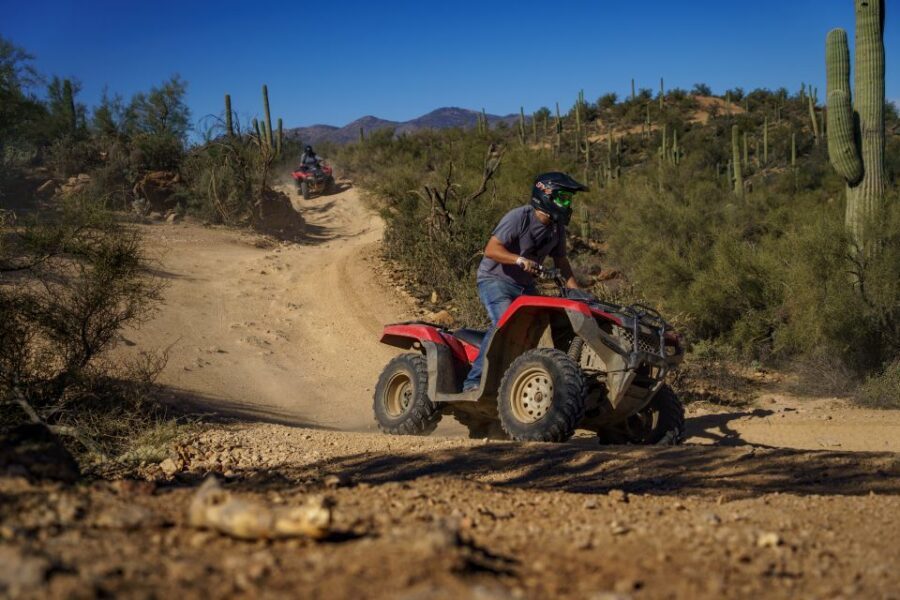
Before you ride, you’ll get a safety briefing focused on key operations and how to navigate rough off-road terrain. This matters more than most people expect. The ATV is powerful, but the safest riders are the ones who understand what to do when the surface gets bumpy, uneven, or sloped.
The training is led by a certified guide, with professional instruction aimed at keeping you stable and in control. You’re learning how to operate the ATV safely, and you’re picking up riding tips that apply right away once you start working the course.
A nice bonus is how instruction stays practical. One of the most praised parts of this experience is the quality of the guidance—especially for hill riding. If you’ve ever wondered how to approach an incline without panicking, this is exactly the kind of setting where you want an instructor giving direct, usable cues.
You’re also given a clear framework: safety first, then practice through the course features. That structure is a big reason this kind of session can feel fun rather than intimidating.
Gear Rules That Matter More Than You Think
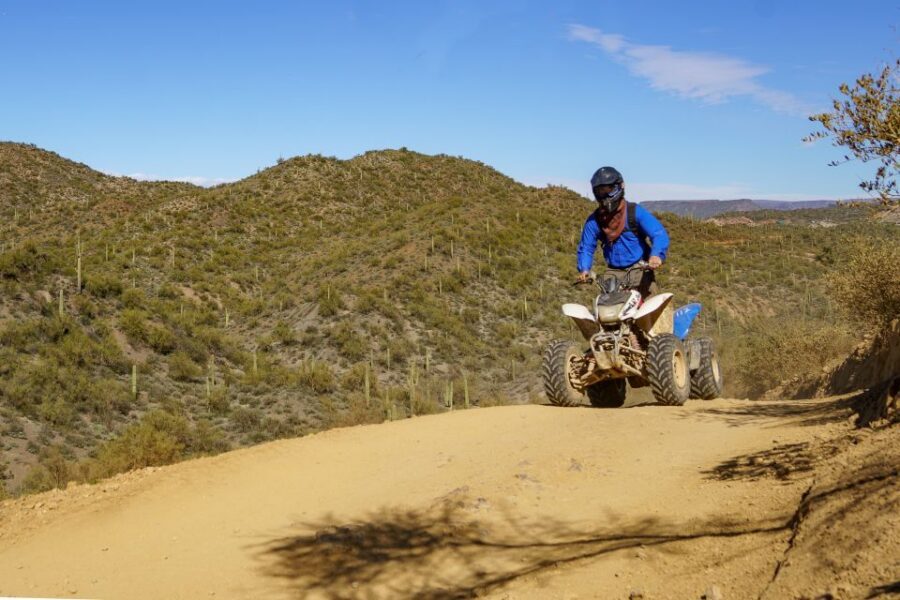
ATVs are one of those activities where the right gear changes everything. The good news: helmet and safety goggles are included, so you don’t need to pack them.
The not-so-fun news: the footwear rules are strict, and you should follow them. Closed-toe shoes are required. Sandals and flip-flops are not allowed. Open-toed shoes and slippers are also out. Crocs are specifically noted as not acceptable for ATV riding, and you’ll want proper shoes you’d wear for hiking rather than something casual.
You’ll also need to bring a passport or ID card. For anyone thinking this is a hassle, it’s actually helpful: you’re treated like a rider, not just someone renting a toy.
Quick gear checklist that fits the rules:
- Closed-toe shoes you can trust on uneven ground (no sandals, no flip-flops)
- Your ID (passport or ID card)
- Anything you’re told to bring for check-in
One more thing: alcohol and drugs are not allowed. If you’re planning to combine this with a day out, keep that in mind so you don’t lose the slot.
The Sonoran Desert Test Course: Turns, Bumps, and Hill Control
Once you’re prepped, you head to the test course. The course is where you’ll notice the difference between a casual ride and training. It has turns, bumps, and hills, so you can’t just power through and hope for the best. You have to use control.
This is the part that tends to feel exhilarating—speed around a defined practice area, with real scenery around you. The ride isn’t about wandering; it’s about working skills. You’ll likely spend time learning how to set up for the features instead of reacting at the last second.
If you’re worried about the hills, don’t be. This is exactly where the guide’s input becomes valuable. One of the standout themes from the experience is that the instructor gives solid tips for going up and down mountain or hill terrain. That kind of coaching is what turns hill anxiety into hill competence.
Practical takeaway for you: when you’re on a course like this, your job is to focus on what you’re practicing right now. Don’t try to freestyle. Follow the guide’s prompts, take the turns as directed, and treat the bumps and hills like drills you can master.
And because this is only 1 hour, you’ll want to arrive ready to learn rather than show up unsure about your gear or footing. You’ll get more out of the session if you’re focused.
Personalized Coaching That Keeps You Learning Instead of Guessing
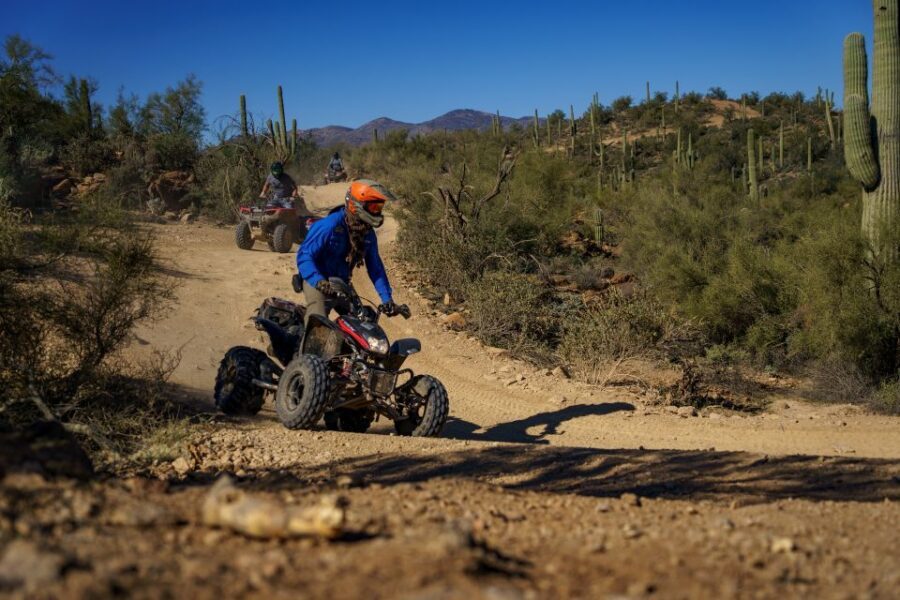
The experience is guided, not just escorted. You get safety and driving training from professional instructors and a certified guide, with personalized tips while you’re riding the course.
That personalization is the difference between:
- You trying to figure out technique on your own, and
- You getting guidance adjusted to what you’re doing in real time.
It also reduces the chance you spend your hour in the wrong habits. ATV riding has a learning curve, especially on uneven terrain, and this kind of structured coaching helps you correct course quickly.
It’s also worth noting that the experience is designed for a range of comfort levels, as long as you meet the age and health requirements. If you’re the kind of person who learns better by doing, you’ll probably enjoy this more than a classroom-style safety talk.
And if you’ve got questions—especially about hills—this is a good place to ask. Hill riding tips are specifically called out as a strong part of the experience, which tells you the guides know where riders commonly struggle.
Other ATV and UTV desert tours in Phoenix
Choosing Your ATV: What Changes (and What Doesn’t)
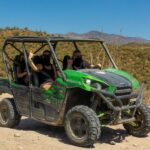
You’ll ride your own ATV for the session, and you get a choice of ATV. That’s not a small detail. Different ATVs can feel different in how they respond, and that can affect how quickly you feel comfortable.
Still, what doesn’t change is the goal: the guide trains you on how to ride safely and control the ATV through technical parts of the course. The ATV selection is part of your comfort, but instruction is what helps you translate that comfort into better technique.
If you’re a first-timer, focus on comfort and control over anything else. A machine that feels manageable helps you listen to coaching and put it into action, instead of fighting the ride.
Price and Value: Is $54 a Good Deal for ATV Training?
At $54 per person for a 1-hour course, the value depends on what you want.
If your goal is only to ride, you might feel the price is high compared to a longer, unguided rental. But this isn’t an unguided rental. What you get includes:
- The ATV
- Helmet and safety goggles
- A certified guide
- A safety briefing
- A driving training session
So you’re paying for equipment plus instruction, and that’s what makes this a strong option if you want to learn the basics quickly, not just burn time.
Also, you’re in the Sonoran Desert with mountain views while practicing turns, bumps, and hills. The scenery doesn’t replace instruction, but it makes the session more memorable and less like a chore.
Where the value can fall short: because it’s 1 hour only, it’s not enough time for everyone to feel fully settled before the session ends. If you want more sustained practice, the experience points you toward a longer 2-hour desert tour option.
For many people, though, $54 can be a smart first step. It’s long enough to learn real safety operations and how to handle the course features, without turning into a half-day commitment.
Timing, Location, and the Practical Stuff You’ll Want to Know
This training runs rain or shine, so plan around desert weather. Bring the mindset that you’re riding no matter what the sky does.
Hotel pickup and drop-off are not included, so you’ll need to get yourself to the meeting point on your own. The duration is 1 hour, and starting times depend on availability.
One more practical point: the security process uses ID and a credit or debit card. There’s no damage deposit, but they hold your ID and card during the rental for security. If damage happens, it’s assessed and paid at the end of the rental. They do not offer insurance that covers yourself or the vehicle, so it’s on you to ride carefully and follow instructions.
If you’re the type who likes clarity before you arrive, this is pretty standard for ATV operations: bring valid ID, keep your paperwork tidy, and understand that the cost of damage (if any) is your responsibility.
Who This ATV Training Fits Best (and Who Should Skip It)
This experience has clear requirements and some clear no-go categories. Here’s the honest breakdown:
Best fit if you:
- Are at least 16 years old to drive
- Want hands-on training with a guide
- Prefer a structured practice course with safety instruction
- Want to ride in Arizona’s Sonoran Desert with mountain views
Important age and ID notes:
- You must be 18 years old to rent and have your ID
- You must be 16 years old to drive
- Just a valid ID is needed; a driver’s license is not required
Not suitable for:
- Children under 16
- Pregnant women
- People with back problems
- People with heart problems
- Wheelchair users
If any of those conditions apply, skip this one and look for a different style of desert experience that fits your needs. ATV riding is physical and can be jarring on bumps and hills, so it’s not the right call for certain health situations.
Should You Book This Sonoran Desert ATV Training?
Book it if you want a short, high-value intro to off-road riding where safety comes first and coaching happens while you practice. The focus on hill tips and the overall positive tone of the instruction are exactly what make this work as a first training session.
Skip or reconsider if you want a longer ride, more miles, or more time exploring beyond the training course. Because this is only 1 hour, it’s best treated as a skill session—then, if you catch the ATV bug, move up to the longer 2-hour guided desert option.
If you show up with closed-toe shoes, valid ID, and a willingness to follow guidance through turns, bumps, and hills, this is likely to be an efficient and genuinely fun way to experience the Sonoran Desert from the rider’s seat.
FAQ
How long is the ATV training course?
The course lasts 1 hour.
Where does the experience take place?
It takes place in Arizona, United States.
Is the experience held rain or shine?
Yes, it operates rain or shine.
How old do you have to be to drive?
You must be 16 years old to drive.
What do I need to bring?
Bring a passport or ID card and wear closed-toe shoes.
What gear is included?
You’ll receive an ATV, safety goggles and a helmet, plus a safety briefing and driving training with a certified guide.
What’s not included?
Hotel pickup and drop-off, as well as food and drinks, are not included.
Is there an extra security or damage policy?
They do not use a damage deposit. Instead, they hold your ID and credit or debit card during your rental. If there is damage, it will be assessed and paid at the end of the rental, and they do not offer insurance to cover yourself or vehicles.