REVIEW · PHOENIX
Guided backpacking and hiking trip on Arizona’s Mogollon Rim
Book on Viator →Operated by Backpack Arizona · Bookable on Viator
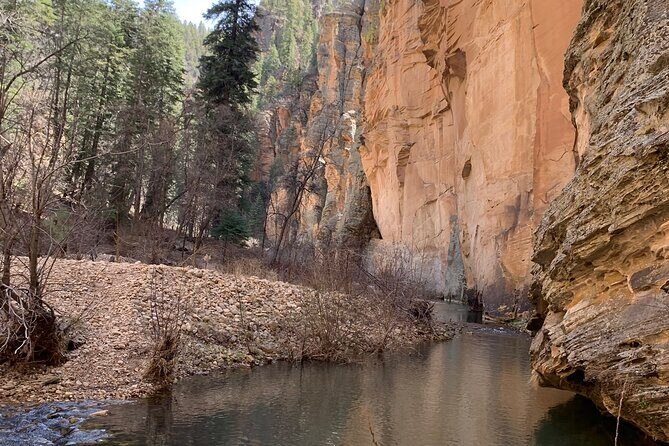
Pack light; hike hard; fish your dinner. This 3-day backpacking trip on Arizona’s Mogollon Rim drops you off the main roads into a remote canyon near Happy Jack, with a creek full of fish and swimming holes you can actually use. I love the real backcountry feel and the fact that top-tier gear is provided, so first-timers can focus on the hike instead of shopping for camping equipment.
You’ll be with Christian, a Wilderness First Responder (WFR) with CPR certification, which matters a lot once you’re far from help and cell service. The group is kept small (up to 4 people), so the guide can teach as you go, from how to move on rough ground to how to make camp and eat comfortably after a long day.
One possible drawback: this is not a gentle stroll. You descend about 800 feet in 0.7 mile, then you’ll do a more strenuous climb back out, plus a short section of boulder hopping and bushwacking before the hiking gets easier.
In This Review
- Quick take on this Mogollon Rim backpacking trip
- Why the Mogollon Rim feels different than the usual hikes
- The first big workout: descending 800 feet and tackling boulders
- Day-by-day: what 3 days in the canyon actually looks like
- Camp life with a real sleep system (not the flimsy stuff)
- Gear, meals, and what you still need to pack
- Safety and guide style with a WFR and CPR
- Pickup, meeting point, and how logistics work in the real world
- Price and value: where the $1,050 goes
- Who this backpacking trip is best for
- Should you book this Mogollon Rim backpacking trip?
- FAQ
- How long is the backpacking trip?
- Where is the meeting point in Phoenix?
- What’s the group size?
- Do I need previous backpacking experience?
- What gear is included, and what do I need to bring?
- What about meals?
- Is the guide trained for emergencies?
Quick take on this Mogollon Rim backpacking trip
- Remote canyon access with time to swim, fish, and wander without the usual crowds
- Creek fishing and swimming holes built into the actual rhythm of the trip
- WFR + CPR-certified guide (Christian) focused on safety in rough terrain
- 60L pack, tent, sleeping pad, sleeping bag, cookware, and more so you don’t travel like a pack mule
- Small group size (max 4) keeps instruction and pacing practical
- A tough start on the ground: steep descent, then boulders and brush before camp
Why the Mogollon Rim feels different than the usual hikes
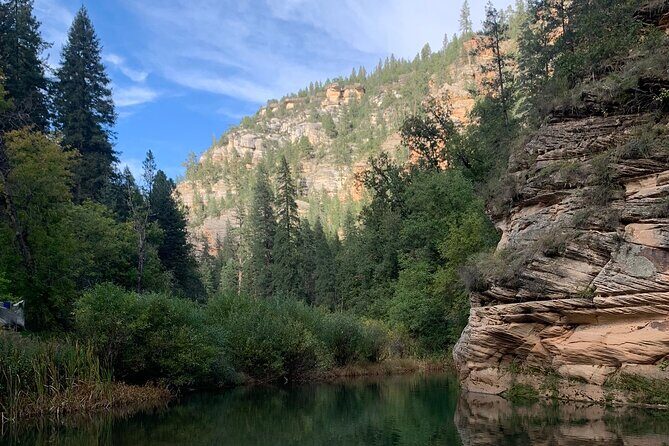
Most “hikes” in Arizona start with a parking lot and end with another parking lot. This one starts with you leaving the easy access behind and moving into a canyon where you’re traveling under your own steam—backpack on, road noise off.
The Mogollon Rim is known for big views, but what I like about this trip is that the focus shifts from seeing the canyon to being inside it. You’re going down from the rim, settling into camp, and spending a couple nights where the days include practical fun: hiking, swimming, fishing, birding, and downtime between efforts.
You also get a guide who can slow things down when you need to. That sounds simple, but when you’re learning backpacking for the first time, it changes everything. A heavy pack and unfamiliar terrain are less scary when someone is paying attention to your footing and your energy.
Other Phoenix-area hiking tours in Phoenix
The first big workout: descending 800 feet and tackling boulders
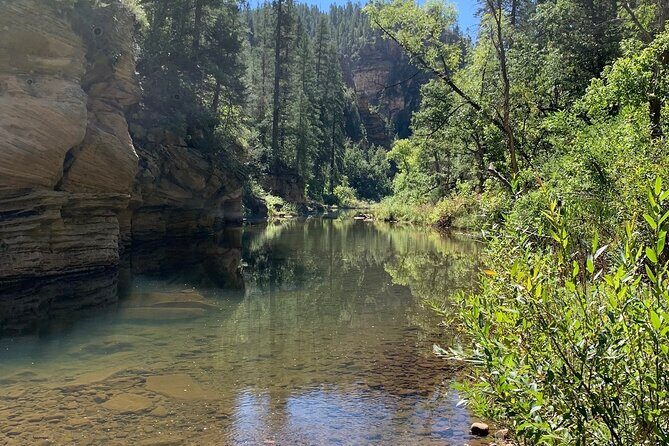
Day 1 begins with real elevation change. You’ll descend roughly 800 feet in 0.7 mile from the canyon rim, and that sets the tone for the whole weekend. Going down feels one way; going back up feels like a different sport.
There’s more rough travel right after you reach the canyon floor. For about a quarter mile, expect boulder hopping and bushwacking—moving through uneven ground and brush that isn’t “trail-marked easy.” This isn’t a problem for experienced hikers, but it’s a heads-up for first-timers who thought a backpacking trip meant perfect paths.
Then things ease up. Past that short struggle, the hike becomes more pleasant until you reach camp. That relief is part of the reward: the canyon doesn’t give you comfort first, and then it starts treating you well.
If you’re the type who gets frustrated by slow, awkward steps, plan to loosen your pace. The best strategy is simple: move carefully, not quickly. You’ll cover distance faster when you’re not slipping or stopping every two minutes to recover.
Day-by-day: what 3 days in the canyon actually looks like
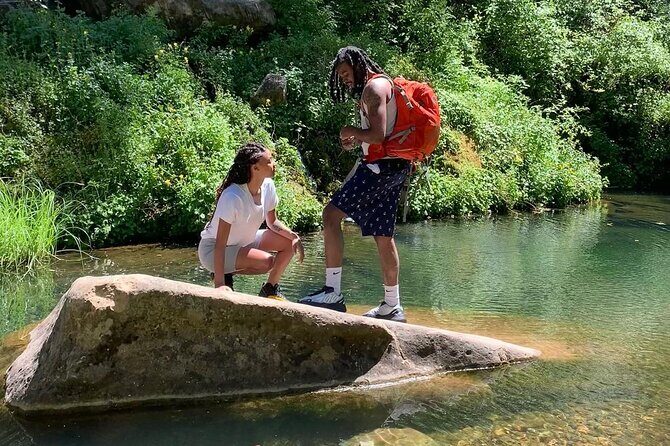
This is a 3-day / 2-night backpacking trip, so the schedule is about progression: go in, live there, and come out.
Day 1: hike in and reach camp
You’ll leave Phoenix at the start (with pickup offered) and head toward the Mogollon Rim area. Once you’re at the canyon access point, you start with the steep descent. After descending and working through the rougher quarter-mile section with boulders and brush, you’ll eventually reach your campsite and set up.
Your guide helps with logistics, and that includes getting camp sorted. Once the pack is off and camp is built, you’re not stuck in a chores-only mood. You’re in a creek-and-swimming-hole kind of place, so the canyon starts rewarding you quickly.
Day 2: canyon time—fish, swim, and hike at your pace
Day 2 is about freedom. After camp is established, you can enjoy the area as you like: swimming, fishing, hiking, and birding are all in the mix. This is the part of the trip that feels most like wilderness living, because you’re not constantly packing and repacking.
This day also matters for first-timers mentally. It’s one thing to hike hard on Day 1; it’s another to spend a full day moving in a slower rhythm. If you manage your energy and keep your pack weight manageable, you’ll feel more like you’re exploring than just surviving the miles.
Day 3: hike out and return
On the last day, the canyon gives you payback. You started with a steep drop; now you climb out, and that climb is described as more strenuous because of the earlier descent.
Once you’re back near the access area, the trip ends by returning you to the meeting point in Phoenix. The goal here is not a speed run. It’s finishing feeling proud, not wrecked.
Camp life with a real sleep system (not the flimsy stuff)
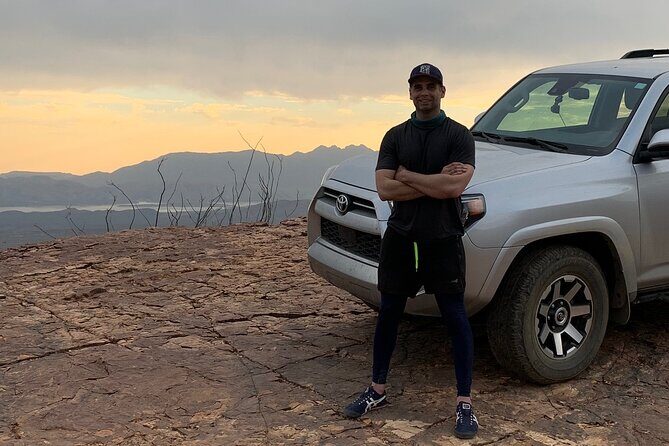
Backpacking success is often decided before sunset. If your sleep setup fails, you pay for it the next morning.
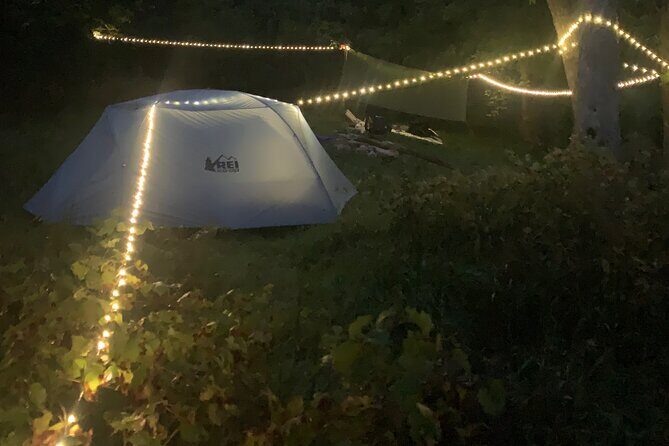
This trip includes a full base camp sleep plan: a tent, sleeping pad, and sleeping bag. It’s also supported by a dry bag for storing what needs protection, plus a headlamp so you can function in low light without improvising.
There’s also a camp chair included. That might sound small, but after a day on uneven ground, being able to sit comfortably matters. It turns camp from a survival pause into actual rest time—rest time you’ll want because you’ll still hike again.
Meals are another big part of camp comfort. Breakfast and dinner are included, and your guide helps prepare them. That’s a practical gift on a backpacking weekend, because cooking with a backpacking setup is one more variable you don’t need when your body is already working hard.
Gear, meals, and what you still need to pack
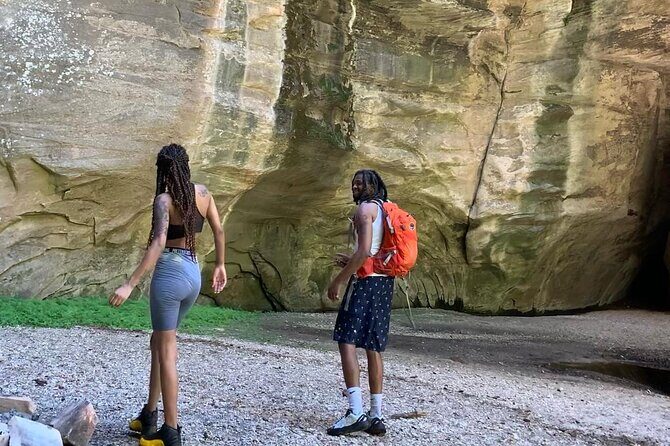
One of the smartest parts of this experience is what’s already taken care of. You get backpacking gear you can trust, not a grab-bag of questionable items.
Included gear covers the big-ticket items:
- 60L backpacking pack
- Tent
- Sleeping pad and sleeping bag
- Headlamp
- Dry bag
- Camp chair
- Cookware and utensils
You also get breakfast and dinner, plus a guide who helps handle meal prep.
What you’ll bring yourself is also clearly defined:
- clothing
- footwear
- rain gear
- personal items
- snacks
- plus a couple small gear items listed on the packing list
Two practical notes for your planning:
- Lunch is not included. You’ll want to bring what you need for your day-to-day fueling.
- Trekking poles are not included. If you like poles for steep sections and boulder-y footwork, you’ll need to bring your own.
Pack weight is described as 25 to 45 pounds, depending on trip specifics. That range is wide, so you should plan for it. If you’ve never carried a weighted pack, give yourself grace early and expect to find your stride gradually.
Other guided tours in Phoenix
Safety and guide style with a WFR and CPR
Once you’re off-road and far from easy help, safety turns from a theory into a daily reality. This trip’s guide is a Wilderness First Responder (WFR) with CPR certification, so you’re not just getting someone who likes the outdoors—you’re getting medical-grade preparedness.
But safety isn’t only about emergencies. It’s also about how you move in the canyon. You’ll have a steep descent, boulder hopping, and bushwacking. Those are the kinds of conditions where good guidance prevents slips, missteps, and poor pacing.
The vibe of Christian’s guiding style shows up in guest feedback too: he’s described as friendly, easygoing, and focused on getting the gear right for the person in front of him. That gear fitting matters because a pack that fits well and a sleep setup that works better can be the difference between a tough weekend and an enjoyable one.
It also helps that the trip is small. With a maximum group size of 4 travelers, your guide can adjust to what you can handle. If you’re nervous going in—especially if you’re backpacking solo for the first time—having that kind of attention makes the day feel more manageable.
Pickup, meeting point, and how logistics work in the real world
This trip meets at 508 W Portland St, Phoenix, AZ 85003, and it ends back at that same meeting point. Pickup is offered, which is a nice convenience when you’re juggling gear and don’t want to coordinate rides twice.
The trip runs during the season listed on the schedule: 05/02/2025 to 10/26/2025, on Fridays through Sundays (with opening hours shown as 12:00 AM to 11:30 PM). Translation: you have multiple weekend options, as long as you book within the listed window.
You’ll also get a mobile ticket, so you’re not digging through paper confirmations.
Logistics might sound boring, but they’re part of the value. When the trip starts smoothly, you arrive in the canyon mindset instead of the where-do-I-go-next panic.
Price and value: where the $1,050 goes
At $1,050 per person, this isn’t a cheap weekend. But it also isn’t just a guide leading you down a trail.
You’re paying for:
- remote transportation to reach hard-to-access country
- a specialized wilderness guide with WFR and CPR
- a small group (max 4)
- top-of-the-line backpacking equipment (including the sleep system and cookware)
- breakfast and dinner
- time saved on decision-making, because you’re not sourcing gear and planning meal logistics
For many people, the biggest hidden cost of backpacking is the gear. This trip gives you the essentials—pack, tent, sleeping bag, pad, headlamp, dry bag—so you don’t have to buy a full setup just to try one weekend.
There’s still a cost on your side: you bring clothing, footwear, rain gear, and snacks. And you should bring snacks even if you’re hoping lunch is optional. Since lunch isn’t included, you’ll want your own food plan for those longer stretches.
So the best way to think about the price is this: it’s a guided, gear-supported backcountry experience where you can focus on learning and enjoying the canyon. If you already own high-quality gear and know what you’re doing, it may feel pricey. If you’re new—or you want the hard parts handled—this feels more like a solid deal.
Who this backpacking trip is best for
This experience fits best if you want an off-road weekend and you’re willing to work a bit for the reward.
You don’t need previous backpacking experience. The trip includes equipment and a list of items to bring, so first-timers have structure. The requirement is moderate physical fitness, because of the steep descent and the heavier hike back out.
It’s especially good for:
- first-time backpackers who want the gear and know-how handled
- people who prefer a small group and a guide who can tailor attention
- travelers who like real wilderness time: fishing, swimming, and hiking without a crowd schedule
If you know you hate uneven footing, deep brush, or steep climbs, you might find this challenging. That bushwacking and boulder hopping section is short, but it’s real.
If you’ve got health limitations, the guide is noted as taking time to learn about experience and limitations. Still, you should be honest when you book and clarify what you can manage. The trip is designed for beginners, but it still has physical demands.
Should you book this Mogollon Rim backpacking trip?
If you want a backpacking experience that feels authentic and safe, and you don’t want to spend weeks preparing gear and routes, you should seriously consider booking. I like that it combines a tough start (steep descent, rough ground) with real freedom once camp is set: you can swim, fish, hike, and enjoy the canyon on your own schedule.
Book it if:
- you’re okay with a steep hike and carrying a pack that can reach 25–45 pounds
- you want gear provided so you can try backpacking without building a whole kit
- you value having a WFR/CPR-certified guide in a remote canyon
Maybe skip it if:
- steep climbs and uneven footing are a hard no for your body or comfort
- you expect a fully marked, easy trail experience the entire way
- you’re only interested in a day hike vibe with no real backcountry living
If you’re on the fence, think of it like this: this is not about “camping.” It’s about learning to move through remote canyon country with support, then earning a quiet night in it.
FAQ
How long is the backpacking trip?
The trip runs for 3 days (approximately) and includes 2 nights in the backcountry.
Where is the meeting point in Phoenix?
You start at 508 W Portland St, Phoenix, AZ 85003, and the activity ends back at this same meeting point.
What’s the group size?
The maximum group size is 4 travelers.
Do I need previous backpacking experience?
No previous experience is required. You’ll be covered with equipment and a list of items to bring, and the guide helps you get set up.
What gear is included, and what do I need to bring?
Included gear includes a 60L backpacking pack, tent, sleeping pad, sleeping bag, headlamp, dry bag, camp chair, and cookware/utensils. You’ll bring clothing, footwear, rain gear, personal items, snacks, and a couple small gear items listed on the packing list.
What about meals?
Breakfast and dinner are included. Lunch and snacks are not included.
Is the guide trained for emergencies?
Yes. The guide is a Wilderness First Responder (WFR) with CPR certification. The experience also depends on good weather, and if it’s canceled due to poor weather you’ll be offered a different date or a full refund.