REVIEW · PHOENIX
Guided Desert Sunrise or Evening/Sunset 2-Hour Hike at South Mtn
Book on Viator →Operated by Scott Z · Bookable on Viator
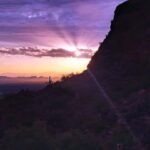
Phoenix looks different at desert dusk.
I love how this hike mixes South Mountain views with hands-on Sonoran Desert learning from guide Scott Z. The route is moderate with some steeper, rocky bits, so you’ll want solid shoes and careful footing.
I also like that it’s built for timing: go at sunrise or for sunset, and you’re out of the worst heat while the city turns dramatic. One catch: it’s a dark-sky experience part of the way, and while flashlights are provided, you should still show up ready to move confidently in uneven terrain.
In This Review
- Key Things I Think You’ll Care About
- South Mountain at sunrise or sunset: why the timing is the whole point
- Pima Canyon Trailhead: your start line and first miles
- The Sonoran Desert lesson you’ll actually remember
- Petroglyphs and rock formations: where the hike adds depth
- The 5-mile moderate hike: what to expect on your body
- Night-sky moments: headlamps, blacklight surprises, and skyline views
- Scott Z as your guide: humor, pacing, and small comforts
- Price and value: what you’re really paying for
- Weather and desert reality: how to plan so it feels easy
- How to choose between sunrise and sunset
- Should you book this South Mountain hike?
- FAQ
- How long is the South Mountain sunrise or sunset hike?
- Where do I meet for the hike?
- Is this hike easy or moderate?
- What should I wear and bring?
- Do I need a flashlight?
- Are wildlife and desert plants part of the tour?
- What kind of views will I see?
- Is there food or water included?
- What happens if weather is poor?
Key Things I Think You’ll Care About
- Pima Canyon Trailhead starts you fast with a short warm-up before the climb
- Petroglyphs and rock formations are part of the walk, not a distant detour
- Sunrise or sunset timing helps you dodge the hottest hours in Phoenix
- Night tools are included (flashlights/headlamps, and blacklight surprises when conditions allow)
- Scott Z keeps it personal with frequent stops and a steady pace for most hikers
South Mountain at sunrise or sunset: why the timing is the whole point
If you only do Phoenix in full daylight, you miss what makes the desert interesting. This hike is scheduled for desert sunrise or evening/sunset, so you’re hiking when the air feels better and the sky is doing something worth stopping for.
You’ll also get a city perspective that you can’t easily recreate on your own. South Mountain Park rises right beside Phoenix, so as you gain elevation, the skyline doesn’t just appear—it spreads out. At the right moment, the city lights make the desert feel like the main character.
Another smart part: the tour is short. Plan on about 2–3 hours for the common version, covering roughly 5 miles. That’s enough time to feel like you did something real without turning your day into a long slog.
Other Phoenix-area hiking tours in Phoenix

Pima Canyon Trailhead: your start line and first miles
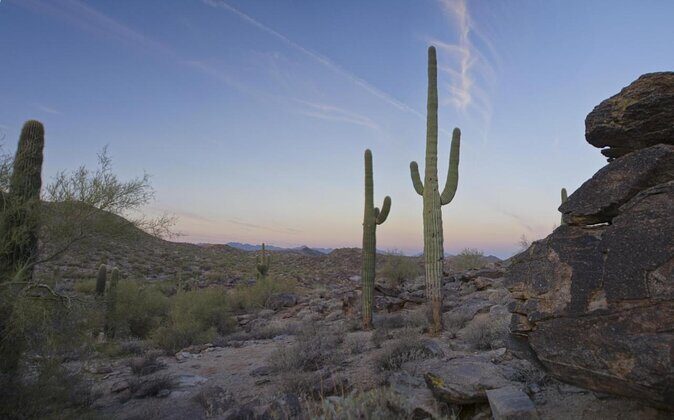
You’ll meet at the Pima Canyon Trailhead, at 4500 E Pima Canyon Rd, Phoenix, AZ 85044. The tour ends right back at the same starting point, so you don’t have to worry about a shuttle or an unknown return route.
The walk begins with an easy setup. You’ll hike a relatively flat first couple of miles to warm up. That matters because the desert can fool you—your legs feel fine at first, then the elevation starts to ask for attention.
From there, the route climbs. It’s still a guided moderate hike, not a technical scramble, but the tour includes steeper and rocky areas. If you’re new to hiking, you’ll be fine as long as you’re honest about your pace and you keep your footing slow on the uneven sections.
The Sonoran Desert lesson you’ll actually remember
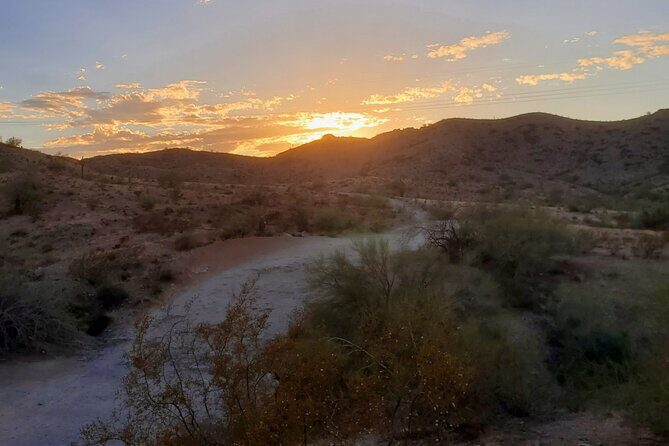
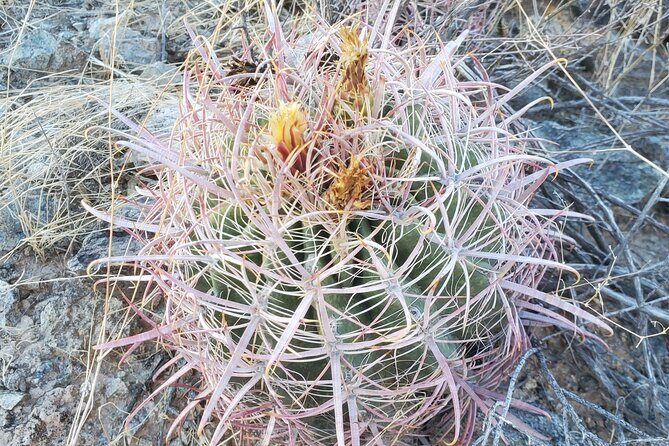
The best desert tours don’t just point at plants. They explain what you’re looking at and why it matters. On this hike, you’ll learn about the plant life and animals of the area, with the Sonoran Desert treated like a living system rather than a list of facts.
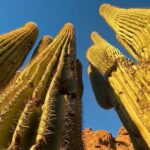
You’ll hear about signature plants you might otherwise overlook. In particular, I found the palo verde to be a highlight—one of those desert trees that looks simple until someone shows you the details and the season story. You’ll also get familiar with saguaro cactus, plus the kind of smaller desert life that shows up if you’re paying attention.
On top of plants, you’ll also pick up how wildlife shows up at different times. As it gets darker, you may try to hear for animals like coyotes, and you might catch owls calling in the evening. You’re not guaranteed wildlife every time, but the guide’s approach makes it feel like you’re scanning the world instead of just walking through it.
Petroglyphs and rock formations: where the hike adds depth
One of the easiest ways to make a hike feel special is when it includes something tied to place and time. Here, you’ll check out ancient petroglyphs and see notable rock formations along the way.
These stops are a big part of why the experience feels more than just scenic exercise. You’re not only climbing a trail to earn a view—you’re also learning how people once used this land, and how the desert shaped what they could see and record.
Even if you’re not a “history person,” petroglyphs tend to grab attention fast. They also help you slow down during the climb, because you’ll want a minute to look closely and soak in what you’re seeing.
The 5-mile moderate hike: what to expect on your body
Expect about 5 miles across 2–3 hours, depending on your group pace and the time spent on stops. It’s categorized as moderate, and that classification is pretty honest: you’ll get some elevation gain and some rougher footing.
Here’s the practical part. Bring shoes with ankle support—sneakers at minimum. If you have hiking shoes with a stable sole, that’s even better. The rocky and steeper sections aren’t long, but they’re frequent enough that “anything goes” footwear can turn the experience stressful instead of fun.
Water is required. The desert doesn’t negotiate, especially when you’re out for a short hike and you’re focused on views and stops. Also, if you’re going in winter, plan for cooler night air and bring a light jacket. Sunrise and sunset timing helps with heat, but it doesn’t erase temperature swings.
If it gets dark, you’ll have lighting options available. Depending on the moon, a flashlight might not always be needed, but the tour provides them just in case. Translation: you’re safe, but you still need to walk like you’re walking on rocks.
Other guided tours in Phoenix



Night-sky moments: headlamps, blacklight surprises, and skyline views
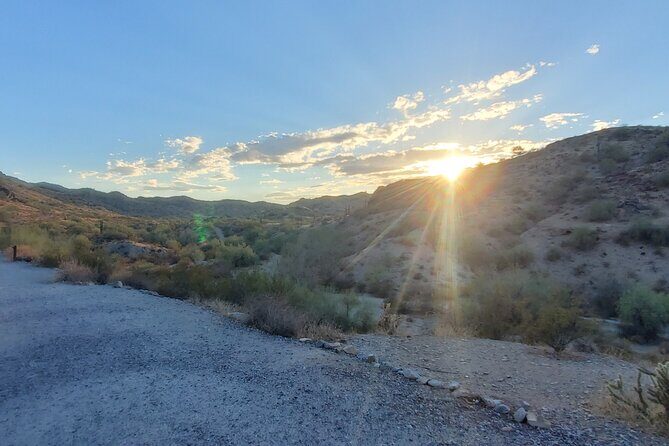
A big selling point is that you don’t just end in the dark—you experience the changing light. As the sky turns deeper, you’ll see the Phoenix view in a whole new way, with the city framed by the dark silhouettes of the mountain.
Lighting is part of that magic. You’ll likely use a headlamp or provided flashlights once it gets darker. This is one of those small inclusions that makes the whole experience feel smoother, because you’re not hunting for your own gear mid-hike.
One especially fun add-on, when conditions allow, is blacklight use. In the dark, you may be able to see things on rocks that you can’t normally notice. The guide has used black flashlights to spot algae growth on rocks, and even found a scorpion during night viewing.
That combination—city lights overhead, desert texture under your feet—turns the hike into something memorable. It’s also a nice reminder that “nothing is happening in the desert at night” is a myth. Things are happening. You just need the right light and the right guide to notice them.
Scott Z as your guide: humor, pacing, and small comforts
This tour is led by Scott Z, and the vibe matters. The strongest praise centers on how Scott manages pacing and attention. You get frequent stops for explanations, and he keeps the group moving without rushing the people who need a slower rhythm.
There’s also a comfort factor. The hike includes small treats like water and snacks, and I’d call that a real value point. When you’re doing a short, focused hike—especially in warmer months—having a little extra fuel helps you enjoy the views instead of thinking about your next water break.
Scott’s style also leans into humor and photography. That sounds minor, but it affects the whole mood. When your guide is relaxed and engaged, you take longer to look at details—and you remember them later.
Group size is capped at 60 travelers maximum. That doesn’t mean you’ll always feel like you’re in a private hike, but it does mean the operator is thinking about limits. For most people, the structure still feels manageable because the guide builds in stops and cues.
Price and value: what you’re really paying for
The listing notes admission ticket free, which matters because it removes one barrier. In practice, it means you’re not juggling a second ticket in addition to the guided portion.
Value here comes from the time-saving format and the guide-led content:
- You get a guided route with a moderate profile (not a huge commitment)
- You get interpretation for desert plants, animals, and petroglyphs
- You get lighting support for darker conditions
- You may get extra snacks and small comforts that keep the hike enjoyable
Without a price number in front of me, I can’t tell you if it’s the cheapest option in Phoenix. But I can say this: if you want a guided desert walk that hits both views and meaning—not just cardio—this is the kind of activity that can feel worth it fast.
Weather and desert reality: how to plan so it feels easy
This experience requires good weather. If weather is poor, you’ll be offered another date or a full refund. That’s the operator doing the responsible thing, because desert conditions can change quickly.
Still, do your part:
- Wear ankle-support shoes and stay conservative on rocky sections
- Bring enough water for your own comfort
- In winter, pack a light jacket for temperature drop
- Expect the hike to include dark moments, and rely on the provided lighting
Also remember the tour runs within a specific window of dates (from 04/25/2026 to 06/03/2026) and the activity operates daily from 6:00 AM to 9:00 PM. So you’re planning around both the season and the time of day, which is exactly why sunrise and sunset are such a big deal here.
How to choose between sunrise and sunset
Pick sunrise if you want crisp air and the feeling of starting your day with a win. Pick sunset if you want Phoenix slowly waking into night while the mountain cools down.
Both options share the same heart: desert learning, a moderate climb, and a return to the trailhead. The difference is the vibe. Sunrise tends to feel clean and awake. Sunset tends to feel cinematic, especially once the city lights come alive.
If you’re a first-timer to South Mountain, I’d lean sunset unless you’re used to early starts. The dark-sky tools and nighttime surprises make the evening version feel more like an event than a workout.
Should you book this South Mountain hike?
Book it if you want a guided Phoenix sunrise/sunset hike that goes beyond looking at rocks. I’d especially recommend it if:
- you like learning about local plants and desert wildlife as you walk
- you want petroglyphs included in a natural setting
- you prefer a manageable 2–3 hour outing with clear structure
- you’d enjoy nighttime gear like flashlights and the chance for blacklight moments
Skip it if you hate rocky trails or you want a totally flat walk with no dark sections. This is moderate terrain, and you’ll feel it in the legs if you’re not used to hiking.
If you’re deciding at the last minute, choose the time of day that matches your energy. This hike works best when you show up willing to slow down for views—and curious enough to notice what the desert is quietly doing.
FAQ
How long is the South Mountain sunrise or sunset hike?
It runs for about 1 to 3 hours (approximately). The moderate version is about 2–3 hours and covers roughly 5 miles.
Where do I meet for the hike?
You’ll meet at the Pima Canyon Trailhead, 4500 E Pima Canyon Rd, Phoenix, AZ 85044.
Is this hike easy or moderate?
It’s listed as a moderate hike. You should expect steeper and rocky areas.
What should I wear and bring?
Wear shoes with ankle support (sneakers at minimum) and bring water. In winter, bring a light jacket since it can get chilly.
Do I need a flashlight?
Depending on the moon, a flashlight might not always be needed, but the hike provides flashlights just in case.
Are wildlife and desert plants part of the tour?
Yes. You’ll learn about the Sonoran Desert plant life and animals, with stops that include petroglyphs and rock formations.
What kind of views will I see?
You’ll get outstanding views of Phoenix, especially as the light changes near sunset or sunrise.
Is there food or water included?
Water is included, and the guide has provided snacks in past hikes (like trail mix and fruit).
What happens if weather is poor?
This experience requires good weather. If it’s canceled due to poor weather, you’ll be offered a different date or a full refund.